
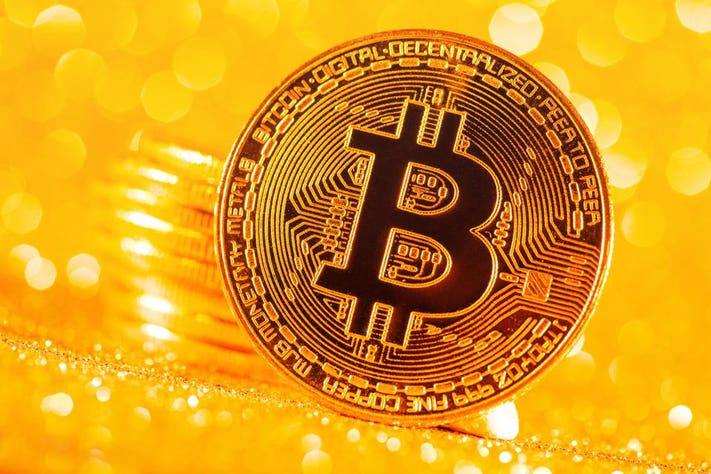
In the face of growing economic uncertainty and persistent geopolitical tensions worldwide, investors are on the lookout for assets that can shield their wealth from turmoil. Bitcoin (BTC), often dubbed “digital gold,” has emerged as a fascinating contender for the role of a safe haven asset. Unlike traditional options such as gold or stable government bonds, Bitcoin offers a decentralized, programmable model of scarcity, with its total supply capped at 21 million coins. Still, the question remains: can Bitcoin truly stand alongside established safe haven investments to offer stability, liquidity, and trust in turbulent markets?
As we navigate 2026, Bitcoin’s journey towards safe haven status is gaining momentum. Institutional acceptance is growing, with several significant companies adding BTC to their balance sheets, and regulatory developments fostering broader market integration. However, Bitcoin confronts challenges such as volatility spikes and uneven global recognition that temper its standing. Exploring these dynamics helps investors understand the evolving role of Bitcoin in diversified portfolios and its potential to become a resilient shield against financial risk.
Bitcoin’s Defining Traits: Is It Poised to Become a Safe Haven Asset?
To qualify as a safe haven asset, an investment typically needs steadfast market stability, strong liquidity, global acceptance, and the ability to preserve value even during crises. Bitcoin certainly ticks some of these boxes. Its fixed supply enforced by the code and halving events creates an intrinsic scarcity, positioning it as a hedge against inflation—much like gold. This programmed rarity means Bitcoin cannot be devalued by arbitrary increases in supply, a fundamental advantage over fiat currencies subject to inflationary pressures.
Liquidity is another area where Bitcoin shines. Traded across global 24/7 platforms, BTC boasts significant market capitalization, making it accessible for investors worldwide at any time. This ease of transfer, without needing intermediaries, adds to Bitcoin’s appeal as a resilient asset during financial disruptions. Moreover, the rising adoption by major firms—including Strategy, MetaPlanet, and Capital B—reflects increasing institutional trust, reinforcing Bitcoin’s appeal as a potentially reliable store of value.

Volatility and Legal Challenges: Obstacles to Bitcoin’s Safe Haven Status
Despite its promising features, Bitcoin’s volatility remains a significant barrier to its widespread recognition as a safe haven. Unlike gold, which tends to offer steady price resilience, Bitcoin’s price can swing dramatically, often fluctuating by 10% or more in hours and occasionally dropping 20-30% during short-lived market shocks. Such price swings can be intimidating, especially for conservative investors prioritizing capital preservation.
Additionally, Bitcoin’s legal and regulatory landscape remains patchy. While some countries have embraced crypto, others maintain bans or harsh restrictions, such as Algeria’s prohibition implemented in 2025. These disparities hinder Bitcoin’s universal acceptance as a safe haven. Unsurprisingly, this regulatory uncertainty can cause risk-averse investors to hesitate, despite innovations like Bitcoin spot ETFs that help bridge cryptocurrency markets and traditional finance.
Comparing Bitcoin to Traditional Safe Havens: Gold, Swiss Franc, and Government Bonds
Gold has been the benchmark for safe haven assets for centuries due to its historical stability and universal acceptance. Its slow-moving price dynamics provide investors with reassurance during volatility spikes that Bitcoin sometimes ignites.
The Swiss franc also plays a unique role, benefiting from Switzerland’s longstanding political and economic stability. Similarly, government bonds from trusted nations like the United States or Germany offer dependable returns during uncertain times. Bitcoin diverges from these traditional holdings by being purely digital and decentralized, which offers distinct advantages but also adds layers of complexity and perceived risk.
Critics note that Bitcoin’s correlation with riskier assets, like tech stocks, suggests it has yet to fully decouple from market sentiment swings. This distinction remains critical as investors evaluate whether BTC should be a core safety net or complementary speculative asset. However, the increasing accumulation of Bitcoin by long-term holders presents encouraging signs of its maturation into a durable store of value rather than a mere trading instrument
Moving Forward: Bitcoin’s Path to Safer Haven Recognition
The journey to firmly establish Bitcoin as a safe haven is unfolding. Growing market infrastructure, enhanced regulatory clarity, and expanding institutional adoption are shaping a more mature playing field. Investors looking beyond traditional assets are discovering Bitcoin’s unique blend of scarcity, liquidity, and ease of transfer as compelling advantages.
Nonetheless, widespread comprehension remains a hurdle. Many individuals and organizations still regard Bitcoin as a volatile, technical challenge rather than a reliable store of value. Bridging this knowledge gap is essential for Bitcoin to shed its image as a speculative asset and mature fully into a universally trusted safe haven.
As Bitcoin continues to evolve in 2026 and beyond, its role could significantly expand—not only within crypto-focused portfolios but also as part of broader strategies aimed at safeguarding wealth amid rising risk and economic instability. For investors, staying informed about these developments is crucial to navigating the balance between opportunity and volatility inherent to this revolutionary cryptocurrency market.
Discover the latest market contrasts between Bitcoin and gold and why the “digital gold” narrative remains a work in progress. For those curious about whether cryptocurrencies were the worst investment of 2025, analysis continues to shed light on Bitcoin’s resilience versus broader market trends.