

In the rapidly evolving world of cryptocurrency, why let your digital assets just sit idle when they can actively earn rewards for you? Crypto staking offers a powerful way to generate passive income while supporting the backbone of blockchain networks. Whether you are new to the crypto space or a long-term holder, staking allows you to contribute to the security and efficiency of proof-of-stake blockchains without needing complex technical know-how or expensive hardware setups.
This guide demystifies crypto staking: what it is, how it works, and the ways it can benefit your portfolio in 2025 and beyond. Discover how locking your coins on platforms like Coinbase, Binance, Kraken, Crypto.com, Gemini, Bitfinex, eToro, or KuCoin can create an additional income stream and deepen your engagement with the blockchain ecosystem. We’ll also explore key risks and practical tips so you can embark on your staking journey safely and confidently.
In brief:
- Crypto staking enables you to lock your coins to help networks validate transactions and secure blockchains based on proof-of-stake mechanisms.
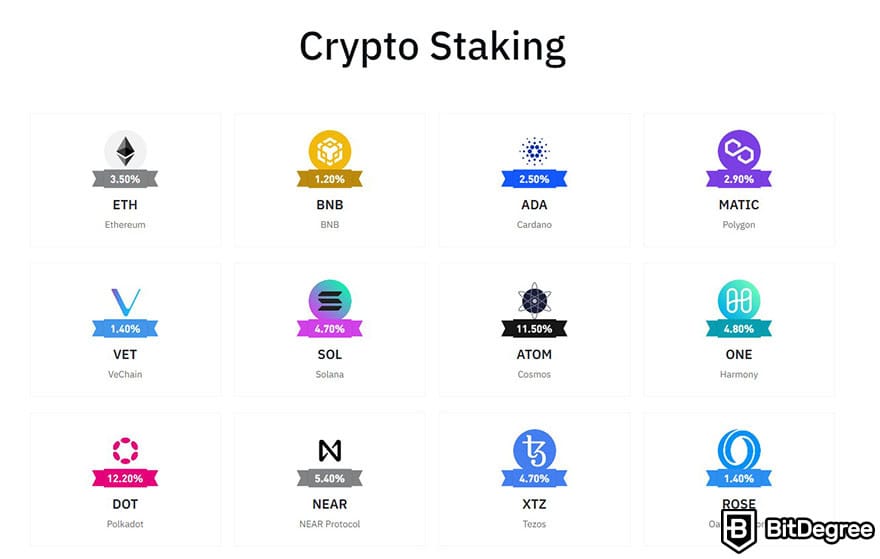
- Popular staking cryptocurrencies include Ethereum, Cardano, Solana, Polkadot, and Cosmos, each offering varied reward rates and staking conditions.
- Staking rewards range typically between 4% and 21% annually, paid in the same crypto you stake, allowing your holdings to grow passively.
- Different staking methods such as delegated, exchange, pool, liquid, and solo staking suit various user preferences and technical skills.
- Platforms like Ledger and Trust Wallet help beginners securely manage staking assets.
- Understanding staking risks—market volatility, lock-up periods, slashing penalties, and trusted platform choices—is essential to protect your investment.
The Fundamentals of Crypto Staking: What It Is and Why It Matters
Staking is the practice of committing your cryptocurrency holdings to support blockchain networks that use a proof-of-stake (PoS) consensus system. Unlike proof-of-work (PoW) blockchains such as Bitcoin, which require energy-intensive mining rigs, PoS blockchains rely on holders to lock up their tokens as collateral to validate transactions and maintain network security.
Think of it as placing a security deposit with the network: your staked assets help process and confirm blocks, and in return, you receive staking rewards, usually paid in the same cryptocurrency. This process not only creates a source of passive income but also plays a crucial role in making blockchain networks decentralized and resilient against fraud.
Understanding the Staking Mechanism: How Your Crypto Works for You
When you stake your crypto—be it on popular exchanges like Coinbase or Kraken—your coins typically remain in your wallet but are “locked” for a predetermined period. The network randomly selects validators from among those staking, with higher stakes increasing the chance to validate new blocks and earn rewards.
For example, if one hundred users stake Solana or Cardano tokens, the blockchain system picks validators based on their stake size combined with an element of randomness to maintain fairness. Those selected receive staking rewards, which can be a fixed annual percentage or a block-based allocation. Rewards accumulate over time, making staking a compelling alternative to simply holding and hoping for price appreciation.
Popular Cryptocurrencies and Platforms for Staking in 2025
Certain cryptocurrencies stand out for staking due to their robust networks and attractive reward structures. Top choices today include Ethereum, following its transition to Ethereum 2.0’s PoS consensus, Cardano, Solana, Polkadot, and Cosmos.
These coins offer varying reward rates—from Ethereum’s steady 3.7% APR for solo staking to Cosmos’s higher-end rewards reaching 21% APY with the right validators. Stakers benefit from flexible approaches, such as staking through pools or exchanges, with platforms like Crypto.com and Gemini providing user-friendly options.
Finding the Right Method: Delegated, Exchange, Pool, Liquid, or Solo Staking
Choosing how to stake depends on your comfort level and technical aptitude. Delegated staking, popular for coins like Cardano and Cosmos, lets you assign your stake to validators without running your own node, sharing rewards while avoiding complexity.
Exchange staking, offered by giants such as Binance and eToro, simplifies the process further by managing the technical side for you—though you trade some control for convenience. Pool staking combines crypto from many users to boost validation chances, while liquid staking enhances flexibility by allowing tradable tokens representing your staked coins.
Risks to Consider Before You Stake: Protecting Your Crypto Assets
While staking offers appealing rewards, it is not without risk. Market volatility can reduce the fiat value of your staked crypto, especially during lock-up periods when withdrawals are restricted. Also, “slashing” penalties on faulty or offline validators can diminish staked assets. Choosing trusted validators and secure platforms like Ledger and KuCoin helps mitigate these dangers.
Moreover, understanding platform risks and avoiding scams is vital. Thoroughly researching staking pools and exchanges ensures your investments stay safe and that your rewards are maximized without unnecessary exposure.